
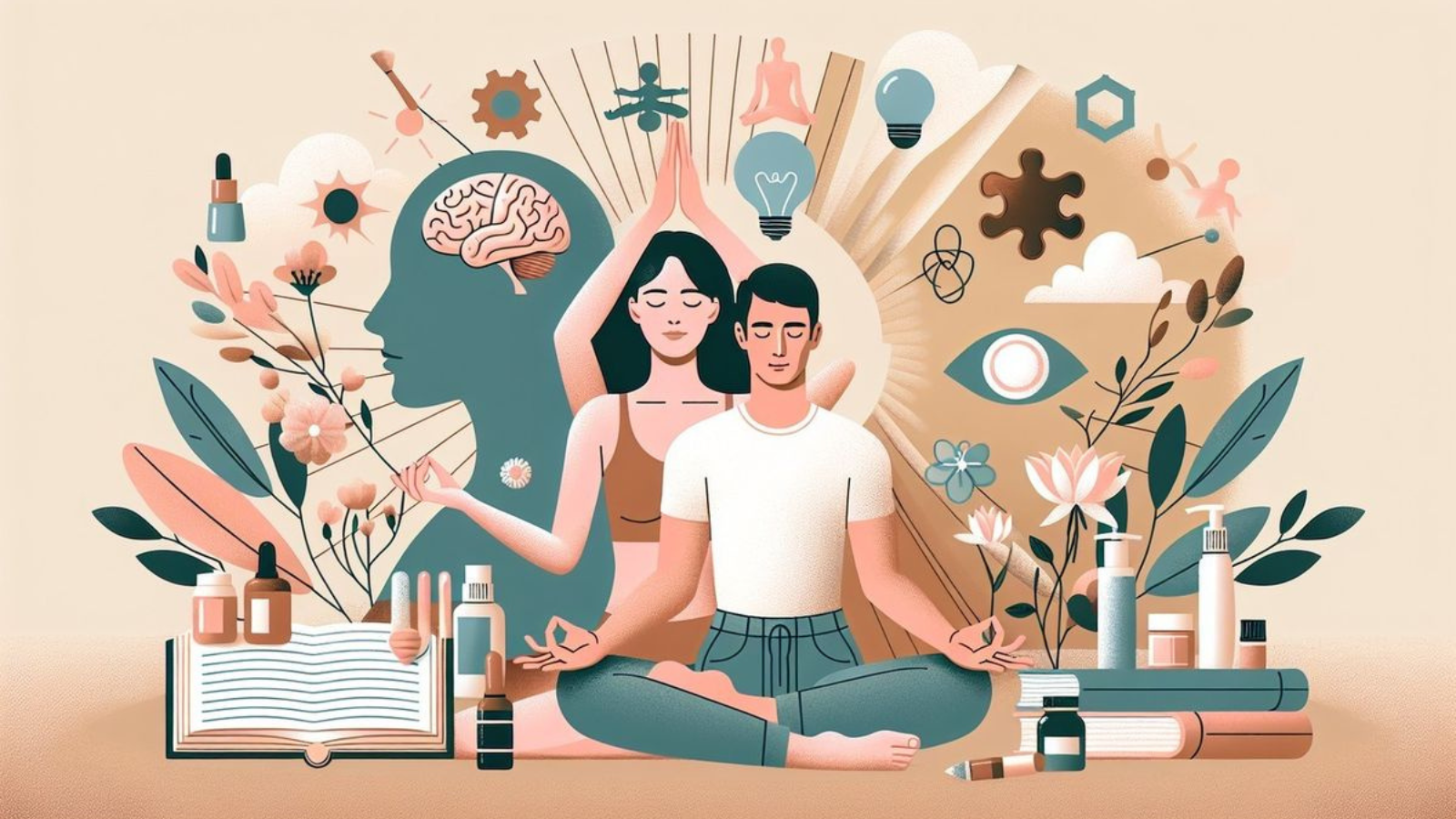
A Practical Guide for Everyday Well-Being
Good health is the foundation of a happy and productive life. In today’s fast-paced world, maintaining physical and mental well-being has become more important than ever. The good news is that small, consistent habits can make a big difference to your overall health.
This blog explains the basics of health and wellness and shares simple, practical tips you can follow in your daily life.
What Does Good Health Really Mean?
Health is not just the absence of illness. It includes:
- Physical health – strength, energy, and immunity
- Mental health – peace of mind and emotional balance
- Lifestyle balance – good habits, rest, and self-care
True wellness comes from maintaining balance in all these areas.
1. Importance of a Healthy Lifestyle
A healthy lifestyle helps you:
✔ Boost immunity
✔ Prevent lifestyle diseases
✔ Improve focus and productivity
✔ Increase energy levels
✔ Enhance quality of life
Your daily choices directly impact your long-term health.
2. Balanced Diet: Fuel Your Body Right
What you eat affects how you feel.
Healthy eating tips:
- Include fruits and vegetables daily
- Choose whole grains over refined foods
- Limit junk, fried, and sugary foods
- Drink enough water
A balanced diet provides essential nutrients and keeps your body strong.
3. Regular Physical Activity
You don’t need intense workouts to stay healthy.
Simple activities include:
- Walking or cycling
- Yoga or stretching
- Light home workouts
Just 30 minutes of activity daily can improve heart health, strength, and mood.
4. Mental Health Matters
Mental well-being is as important as physical fitness.
Take care of your mind by:
- Managing stress effectively
- Practicing meditation or deep breathing
- Taking breaks from screens
- Talking about your feelings
A healthy mind helps you handle daily challenges better.
5. Importance of Quality Sleep
Sleep is essential for recovery and energy.
Tips for better sleep:
- Maintain a fixed sleep schedule
- Avoid screens before bedtime
- Create a calm sleeping environment
7–8 hours of quality sleep improves memory, immunity, and mood.
6. Preventive Health Care
Prevention is always better than cure.
Smart preventive steps:
- Regular health checkups
- Monitoring weight and blood pressure
- Early attention to symptoms
Small preventive actions can avoid major health problems later.
7. Staying Active in Daily Life
Health is not only about exercise—it’s about movement.
Simple habits:
- Take stairs instead of elevators
- Stretch during work breaks
- Stay hydrated throughout the day
These habits keep your body active and flexible.
8. Avoid Unhealthy Habits
Certain habits negatively impact health.
Limit or avoid:
- Smoking
- Excessive alcohol
- Overeating
- Prolonged sitting
Replacing bad habits with good ones improves long-term health.
Common Health Myths
❌ Healthy living is expensive
❌ You need strict diets
❌ Exercise must be intense
✔ In reality, health is about consistency, not extremes.
Simple Health Checklist
✔ Eat balanced meals
✔ Stay active daily
✔ Get enough sleep
✔ Manage stress
✔ Stay hydrated
✔ Schedule regular checkups
Conclusion
Good health doesn’t require complicated routines or expensive plans. Small lifestyle changes, practiced consistently, can lead to long-term wellness and happiness. Your body and mind work together—take care of both.
Remember:
Your health is your greatest asset. Invest in it every day.



 No products in the cart.