
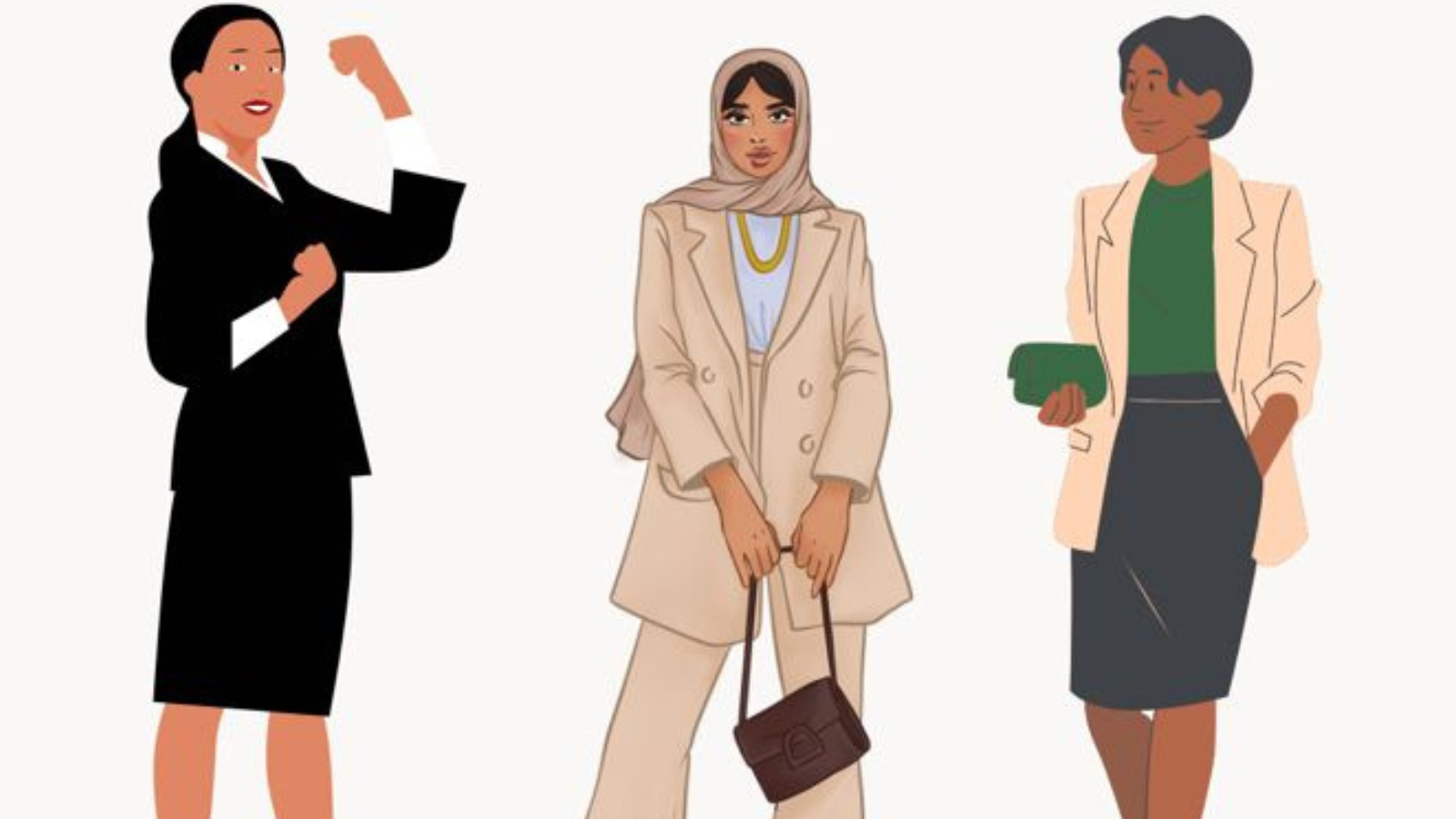
Choosing the right outfit is not just about style—it’s about wearing the right clothes for the right occasion. One of the most common fashion confusions is deciding between casual wear and formal wear. Wearing the appropriate outfit helps you feel confident, comfortable, and well-presented. This guide explains the difference between casual and formal wear and helps you understand when to wear what.
What Is Casual Wear?
Casual wear is all about comfort, ease, and relaxed style. It is suitable for everyday activities and informal settings.
Common Casual Wear Items
- T-shirts, polos, casual shirts
- Jeans, chinos, shorts
- Sneakers, loafers, flats
- Casual dresses, tops, kurtis
When to Wear Casual Wear
- Daily outings and errands
- Casual meetings with friends or family
- Shopping or travel
- Informal office days
- Weekend events
Casual wear allows more freedom to experiment with colors, patterns, and styles.
What Is Formal Wear?
Formal wear is designed to look polished, professional, and elegant. It follows specific styling rules and is meant for important or official occasions.
Common Formal Wear Items
- Suits, blazers, trousers
- Formal shirts and dresses
- Sarees, gowns, or tailored ethnic wear (for formal events)
- Formal shoes like oxfords, heels, or dress sandals
When to Wear Formal Wear
- Office or corporate environments
- Business meetings and interviews
- Weddings and formal ceremonies
- Conferences or official events
Formal wear focuses on clean lines, proper fitting, and neutral or classic colors.
Casual Wear vs Formal Wear: Key Differences
| Factor | Casual Wear | Formal Wear |
|---|---|---|
| Purpose | Comfort and relaxation | Professionalism and elegance |
| Fit | Relaxed or flexible | Structured and tailored |
| Colors | Bright, playful, or mixed | Neutral, dark, or classic |
| Fabrics | Cotton, denim, blends | Wool, silk, linen blends |
| Accessories | Minimal or trendy | Subtle and refined |
| Footwear | Sneakers, flats | Formal shoes, heels |
How to Decide What to Wear
1. Consider the Occasion
Always match your outfit to the event type—casual, semi-formal, or formal.
2. Check the Dress Code
Some places clearly mention dress codes. Follow them to avoid feeling out of place.
3. Balance Comfort and Style
Casual wear prioritizes comfort, while formal wear balances comfort with appearance.
4. Time of Day Matters
Daytime events often allow casual or semi-formal looks, while evening events lean more formal.
5. Workplace Culture
Some offices allow business casual, while others require strict formal wear.
Can You Mix Casual and Formal?
Yes—this is called smart casual or business casual.
Examples:
- Blazer with jeans
- Formal shirt with chinos
- Elegant dress with minimal accessories
This style works well for modern offices and semi-formal gatherings.
Common Mistakes to Avoid
- Wearing casual clothes to formal events
- Overdressing for casual occasions
- Ignoring fit and grooming
- Mixing too many styles at once
Dressing appropriately shows respect for the occasion and boosts confidence.
Conclusion
Understanding the difference between casual wear and formal wear helps you dress smartly for every situation. Casual wear is perfect for relaxed, everyday moments, while formal wear is ideal for professional and special occasions. When in doubt, choose outfits that match the event, fit well, and make you feel confident.



 No products in the cart.