
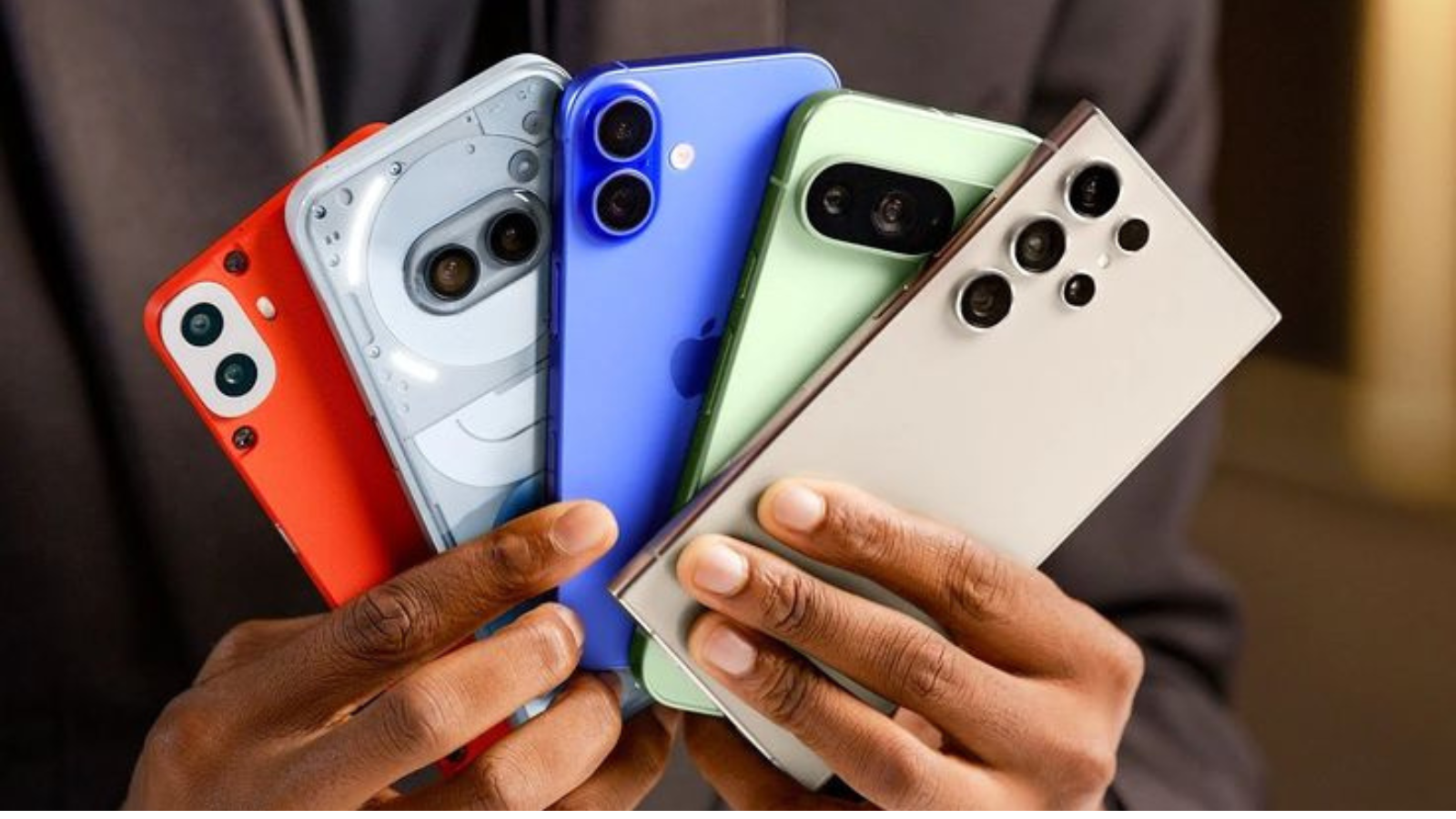
Buying your first smartphone can be exciting—but also confusing. With so many models, features, and price ranges, it’s easy to feel overwhelmed. This guide breaks everything down in simple terms so first-time buyers can choose the right smartphone confidently, without overspending or regretting their choice.
1. Understand Your Usage Needs
Start by identifying how you will use your smartphone.
Ask yourself:
- Will I use it mainly for calls, messaging, and social media?
- Do I watch videos, play games, or take a lot of photos?
- Is it for daily basic use or heavy multitasking?
Your usage determines which features matter most and which you can ignore.
2. Choose the Right Budget
Set a realistic budget before browsing.
Beginner tip:
- Entry-level smartphones are great for basic use
- Mid-range phones offer better performance and cameras
- Expensive phones are not necessary for first-time users
Focus on value for money, not just price or popularity.
3. Select the Right Display Size and Type
The display affects comfort and usability.
Things to consider:
- Screen size: 6–6.5 inches is ideal for most users
- Resolution: Full HD is good for clarity
- Display type: IPS LCD is fine for beginners; AMOLED offers better colors
Choose a size that feels comfortable in your hand.
4. Performance: Processor and RAM Explained Simply
Performance decides how smooth your phone feels.
For beginners:
- RAM: 4GB is sufficient; 6GB is better for future use
- Processor: Choose a reliable mid-range processor
- Avoid very low RAM or outdated processors
Smooth performance makes daily use frustration-free.
5. Storage: Don’t Underestimate It
Storage fills up quickly with apps, photos, and videos.
Recommended:
- Minimum 64GB storage
- Check if expandable storage (SD card) is supported
More storage means fewer worries later.
6. Camera: What Really Matters
Don’t get confused by megapixel numbers alone.
Look for:
- Good image quality and stabilization
- Decent front camera for video calls and selfies
- Features like night mode and portrait mode
For beginners, balanced camera quality is better than high numbers.
7. Battery Life and Charging
Battery is one of the most important features.
Ideal choice:
- 4500mAh or higher battery
- Fast charging support
A strong battery ensures all-day usage without stress.
8. Operating System and Updates
Choose a phone with a clean and easy-to-use interface.
Check for:
- Latest operating system version
- Regular security and software updates
- Simple and beginner-friendly user interface
This improves security and long-term usability.
9. Connectivity and Essential Features
Make sure the phone supports modern features.
Important basics:
- 4G/5G support
- Dual SIM if needed
- Wi-Fi, Bluetooth, GPS
- Fingerprint or face unlock
These features improve everyday convenience.
10. Warranty, Service & After-Sales Support
First-time buyers should never skip this step.
Always check:
- Brand warranty period
- Nearby service centers
- Easy return and replacement policy
Good support ensures peace of mind after purchase.
Common Mistakes First-Time Buyers Should Avoid
- Buying only based on brand name
- Falling for high specifications you don’t need
- Ignoring battery and storage
- Skipping reviews and comparisons
Avoiding these mistakes leads to a better experience.
Conclusion
For first-time buyers, the best smartphone is not the most expensive one—it’s the one that fits your needs, budget, and comfort. By understanding basic features, comparing wisely, and focusing on long-term value, you can make a smart and confident purchase. Take your time, do a little research, and enjoy your first smartphone experience.



 No products in the cart.